
1259 Alma Dr Suite 100, Allen, TX 75013



How Long Does the Dental Implant Process Take in Guelph?

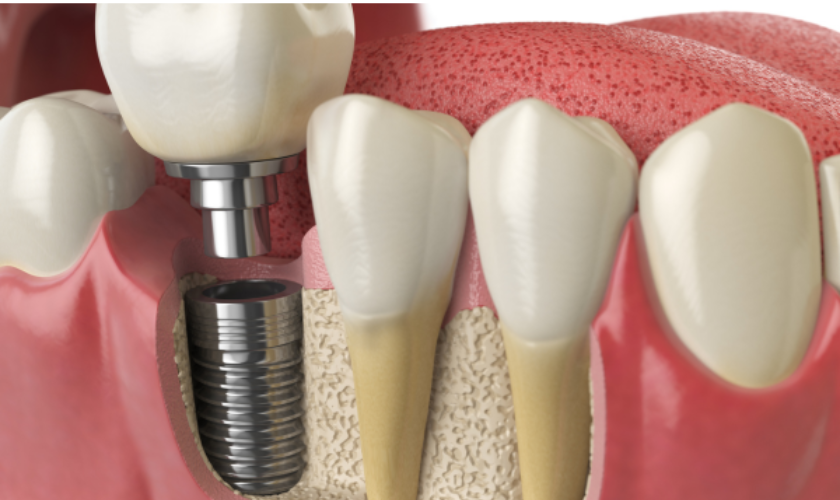
Dental implants in Guelph can take several months from the first consultation to the placement of the final tooth. For many patients, the entire process takes approximately three to nine months, although some treatments are completed sooner and others require additional healing time.
If you have been living with a missing tooth, you may be wondering how many appointments you will need, whether you will have to go without a tooth during treatment, and when you can return to eating normally.
The answer depends on your oral health, jawbone condition, number of missing teeth, and the type of implant treatment recommended.
At Alora Dental, understanding the different stages of treatment can help you prepare for the process and make informed decisions about replacing missing teeth.
What Is the Typical Dental Implant Timeline?
Dental implant treatment in Guelph is completed in stages rather than during a single appointment. This allows the implant to become stable within the jawbone before it supports a permanent restoration.
Here is a general timeline:
| Treatment stage | Estimated time |
|---|---|
| Initial consultation and examination | One appointment |
| Preparatory treatment, if required | Several weeks to months |
| Dental implant placement | Approximately 1–2 hours for a straightforward single implant |
| Implant healing and integration | Usually 3–6 months |
| Final crown preparation and placement | Often 2–4 weeks |
These estimates are general. Some stages overlap, and the actual schedule depends on individual healing and treatment requirements.
Patients with healthy gums and sufficient jawbone may progress more quickly. Those who need tooth extraction, bone grafting, or treatment for gum disease may require additional appointments.
What Are the Stages of Getting Dental Implants in Guelph?
Understanding what happens during each appointment can make the treatment process feel more manageable.
Stage 1: Initial Consultation and Dental Examination
The first step is determining whether dental implants are suitable for your oral health needs.
Your dentist will examine your teeth and gums, review your medical history, and assess the condition of your jawbone.
Dental X-rays or three-dimensional imaging may be recommended to evaluate bone structure and identify important anatomical features.
During this appointment, your dentist may discuss:
- The number and location of missing teeth
- Your gum health and remaining natural teeth
- Whether your jawbone can support an implant
- Any medical conditions or medications that could affect healing
- The recommended treatment stages and expected timeline
This evaluation helps establish a treatment plan based on your individual needs.
Stage 2: Preparing Your Mouth for Implant Placement
Not every patient needs preparatory treatment.
However, certain oral health conditions must be addressed before an implant can be placed safely.
For example, untreated gum disease may affect the surrounding tissues and increase the risk of implant complications.
Patients who have experienced significant jawbone loss may also require bone grafting.
A bone graft helps rebuild or preserve the bone needed to support an implant. Depending on the procedure, healing may take several months before implant placement can proceed.
If a damaged tooth needs extraction, your dentist will determine whether an implant can be placed immediately or whether the extraction site should heal first.
Stage 3: Dental Implant Placement
Once your mouth is ready, the implant can be surgically positioned in the jawbone.
A dental implant is a small, usually titanium post that acts as an artificial tooth root.
During the procedure, local anaesthesia is used to numb the treatment area. Additional comfort options may be available depending on the provider and treatment plan.
For a straightforward single implant, the surgical appointment often takes approximately one to two hours, although the procedure itself may be shorter.
Mild swelling, tenderness, and minor bleeding can occur afterward. Many patients resume ordinary daily activities within a few days, depending on their recovery and the nature of their work.
Your dental team will provide instructions for eating, cleaning the surgical area, and protecting the implant during early healing.
Stage 4: Healing and Osseointegration
This is often the longest stage of the dental implant process.
After placement, the surrounding jawbone gradually grows into close contact with the implant surface.
This biological process is called osseointegration.
It creates the stability needed for the implant to support a replacement tooth during everyday activities such as chewing.
Healing commonly takes three to six months, although individual timelines vary.
During this period, your dentist may recommend a temporary tooth replacement, depending on the implant location and treatment plan.
It is important not to rush this stage. Placing excessive pressure on an implant before it has achieved adequate stability can compromise treatment.
Stage 5: Abutment and Final Crown Placement
Once the implant has integrated sufficiently with the jawbone, the restorative phase begins.
An abutment connects the implant to the replacement tooth. In some cases, it is placed during the initial surgery. In others, a separate appointment is needed.
Your dentist will then take impressions or digital scans to create a crown that fits your bite and complements your surrounding teeth.
When the restoration is ready, the crown is attached and checked for comfort, appearance, and function.
The goal is to restore your ability to chew comfortably while maintaining a natural-looking smile.
What Factors Can Affect Your Dental Implant Timeline?
Two patients receiving similar implants may have different treatment timelines. Several factors influence how quickly the process can move forward.
Jawbone health: Sufficient bone density and volume are necessary to support an implant. Bone grafting may be recommended when additional support is needed.
Gum health: Healthy gums provide a more favourable environment for implant treatment. Active periodontal disease generally needs to be managed first.
Number of implants: Replacing multiple missing teeth may require more extensive planning and additional procedures.
Medical history: Conditions such as poorly controlled diabetes, certain medications, and smoking can affect healing and treatment planning.
Individual healing: Some patients heal faster than others. Your dentist will evaluate implant stability before proceeding with the final restoration.
The Canadian Dental Association’s dental implant guidance also explains why healthy gums, adequate jawbone, and ongoing dental care are important for implant treatment.
Can You Get a Dental Implant and a New Tooth on the Same Day?
Some patients may qualify for immediate implant placement or a temporary restoration on the day of surgery.
However, these are two different things.
Immediate implant placement means the implant is inserted shortly after a tooth is removed, sometimes during the same appointment.
Immediate loading means a temporary restoration is attached before the usual healing period is complete.
Neither approach is suitable for everyone. Adequate bone support, initial implant stability, bite forces, and overall oral health must be considered.
Even when a temporary tooth is placed immediately, the implant still needs time to integrate with the surrounding bone.
Your dentist will determine whether an accelerated approach is appropriate or whether a staged treatment offers a more predictable outcome.
How Can You Support Healing After Dental Implant Surgery?
Although you cannot force an implant to heal faster, following your dentist’s instructions can help reduce avoidable complications.
During recovery:
- Eat soft foods as recommended after surgery.
- Avoid smoking and tobacco products.
- Maintain oral hygiene without disturbing the surgical site.
- Take prescribed medications as directed.
- Avoid chewing hard foods directly over the healing implant.
- Attend scheduled follow-up appointments.
Contact your dentist if you experience worsening pain, persistent bleeding, increasing swelling, fever, or unusual discharge.
Once the final restoration is placed, regular brushing, cleaning between teeth, and professional examinations remain essential.
For more information about maintaining restored teeth, explore preventive and restorative dental services at Alora Dental.
Start Your Dental Implant Journey With a Clear Treatment Plan
Replacing a missing tooth is an important decision, and understanding the timeline can make the process easier to plan around.
At Alora Dental, Dr. Julia Chrapka uses 3D imaging and detailed treatment planning to assess implant suitability and explain the stages involved. Patients receive guidance about their expected timeline before beginning treatment.
Whether you have recently lost a tooth or have been considering replacement for years, an individual assessment is the first step.
Visit Alora Dental or call us to arrange your dental implant consultation.
Frequently Asked Questions About Dental Implants in Guelph
1. How many appointments are needed for dental implants in Guelph, Ontario?
A straightforward single-tooth implant commonly requires several appointments for consultation, surgery, healing assessments, and final crown placement. Additional visits may be necessary if you need bone grafting or other preparatory treatment. Your dentist can provide a more accurate appointment schedule after examining your mouth.
2. Can I get a dental implant immediately after tooth extraction in Guelph?
Sometimes. Immediate implant placement may be possible when the extraction site has sufficient healthy bone and no conditions that would compromise implant stability. Your dentist will evaluate the area using clinical examination and imaging before recommending this approach.
3. How long will I be without a tooth during dental implant treatment in Guelph?
You may not need to remain without a visible tooth throughout treatment. Depending on the location and clinical circumstances, your dentist may recommend a temporary removable tooth, bridge, or implant-supported temporary restoration. The temporary solution must avoid interfering with healing.
4. Does Alora Dental in Guelph offer dental implant consultations for new patients?
Yes. Alora Dental welcomes new patients for implant consultations. Dr. Julia Chrapka evaluates jawbone health, surrounding teeth, and individual treatment needs using dental imaging and clinical assessment. Patients can discuss their concerns and receive an explanation of the proposed treatment timeline.
5. Where can I schedule a dental implant consultation in Guelph?
You can contact Alora Dental at 90 Starwood Drive, Unit 3, Guelph, ON N1E 0T6. Call us or visit the practice’s contact page to request an appointment. The consultation is an opportunity to discuss missing teeth, treatment options, and your expected recovery timeline.
Allen Dental Lounge