
1259 Alma Dr Suite 100, Allen, TX 75013



Why Gum Disease Gets Worse Without Treatment and What It Costs You

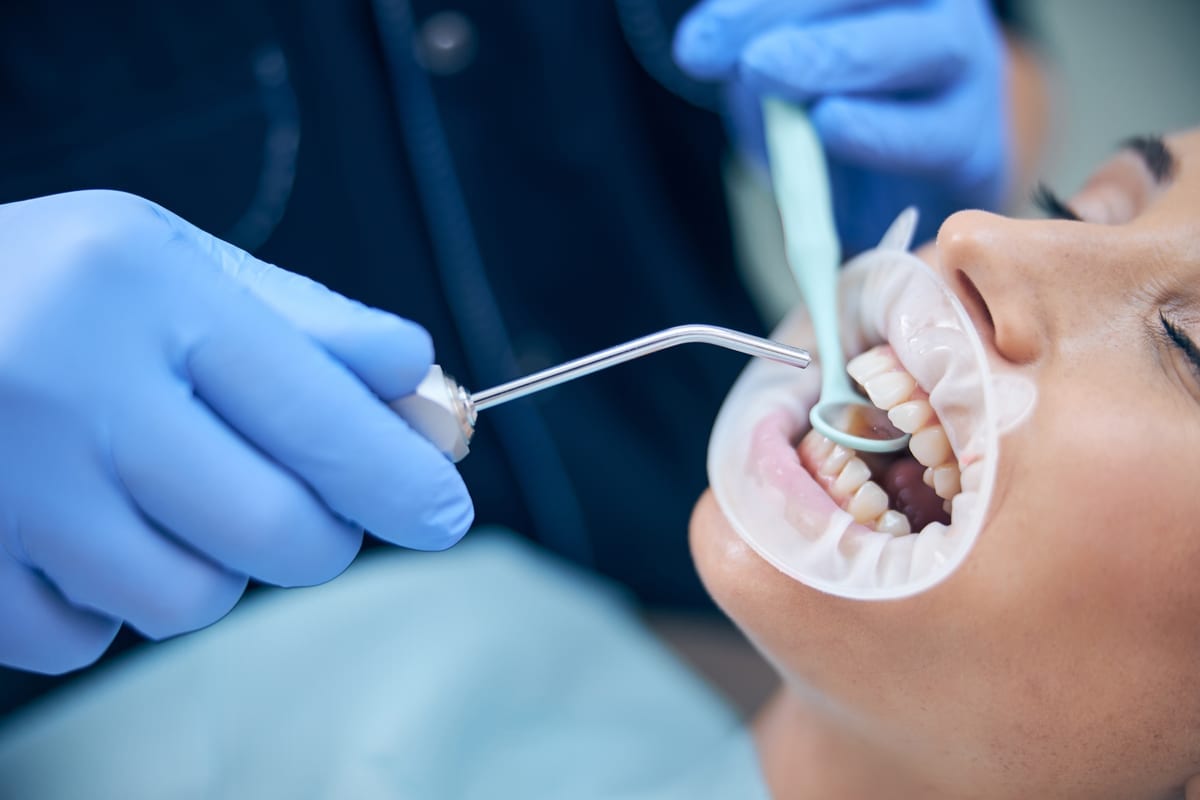
Understanding why gum disease gets worse without treatment — and what it costs you in Allen — could be the most important thing you read today. Gum disease is one of the most common dental conditions in the United States. Yet many patients do not realize how serious it becomes when left untreated. At Allen Dental Lounge, Dr. Fadi White sees this progression regularly — and the good news is that early action makes a real difference.
What Gum Disease Actually Is and How It Starts
Gum disease begins as gingivitis, a mild inflammation caused by plaque buildup along the gumline. Plaque is a sticky film of bacteria that forms on your teeth every day. When you do not remove it through brushing and flossing, it hardens into tartar. Tartar irritates the gums and triggers the earliest stage of infection.
Many Allen residents do not notice gingivitis at first. Symptoms are often subtle — slight bleeding when brushing, mild puffiness, or a little tenderness. Because the discomfort is manageable, people delay seeking care. That delay is exactly where the problem deepens.
Without professional intervention, gingivitis advances into periodontitis. This is a far more serious form of gum disease. Bacteria begin attacking the bone and connective tissue that hold your teeth in place. At this stage, the damage starts becoming permanent.
Why Gum Disease Gets Worse Without Treatment in Allen
Your immune system fights back when bacteria invade your gum tissue. But this response causes inflammation, which over time destroys the very structures it is trying to protect. The longer gum disease goes untreated, the more bone you lose. Pockets form between the gums and teeth, giving bacteria even deeper access.
In Allen’s active, busy community, dental visits often get deprioritized. Work schedules, family commitments, and day-to-day life push routine appointments aside. But skipping Preventive Dentistry Allen visits is one of the biggest contributors to undetected gum disease progression.
Here is what happens inside your mouth as gum disease advances untreated:
- Gum tissue pulls away from teeth, exposing sensitive roots
- Bone supporting the teeth begins to deteriorate
- Teeth become loose and may shift in position
- Chronic bad breath develops and persists
- Tooth loss becomes increasingly likely
Each of these consequences is preventable with timely care. That is why acting early matters so much.
The Real Costs of Ignoring Gum Disease
The costs of untreated gum disease are both physical and financial. Treating early-stage gingivitis is simple — it often requires a professional cleaning and improved home care habits. But treating advanced periodontitis is significantly more complex and expensive.
Patients who delay care often need deep cleaning procedures, called scaling and root planing. Some require surgical treatment. Tooth loss from gum disease leads to the need for dental implants, bridges, or dentures. These restorative options carry costs that far exceed what early preventive care would have required.
Beyond your wallet, advanced gum disease is linked to serious systemic health concerns. Research connects periodontitis to increased risk of heart disease, diabetes complications, and respiratory conditions. Your oral health is not separate from your overall health — it is deeply connected to it.
The financial and health costs of waiting are simply not worth it. Preventive Dentistry Allen services exist precisely to help you avoid these cascading consequences.
What to Expect When You Seek Treatment at Allen Dental Lounge
Dr. Fadi White and the team at Allen Dental Lounge take a thorough, compassionate approach to gum disease assessment. Your visit will include a comprehensive evaluation of your gum health. The team measures pocket depths, checks for bone loss, and reviews your full oral health history.
Treatment recommendations depend on how far gum disease has progressed. Here is a general overview of what care may involve:
- Professional Cleaning: For early-stage disease, a thorough cleaning removes plaque and tartar buildup above and below the gumline.
- Scaling and Root Planing: A deeper cleaning procedure that clears bacteria from root surfaces and smooths them to discourage reattachment.
- Follow-up Monitoring: Regular check-ins ensure the gums are healing and disease is not returning.
- Supportive Home Care Guidance: The team educates you on brushing technique, flossing, and any tools that can help you maintain gum health at home.
Every step is explained clearly so you understand your condition and your options. There are no surprises — just straightforward care designed to protect your smile long-term.
How Allen Residents Can Protect Their Gum Health Starting Now
Prevention is always the most effective strategy. If you have not visited a dentist in over six months, scheduling an appointment is the single most impactful thing you can do today. Gum disease is highly treatable when caught early, but it does not resolve on its own.
Between appointments, a few consistent habits go a long way:
- Brush at least twice daily using a soft-bristled toothbrush
- Floss once daily to clear debris from between the teeth
- Rinse with an antibacterial mouthwash if recommended by your dentist
- Avoid tobacco, which significantly worsens gum disease progression
- Stay well-hydrated to support saliva production, which naturally fights bacteria
Dr. Fadi White and the Allen Dental Lounge team are here to guide you through every stage of gum health. Whether you are starting fresh or managing an existing condition, Allen residents have access to expert care close to home.
Conclusion: Your Gums Are Worth Protecting
Gum disease does not stay mild on its own — it progresses quietly, causing deeper damage the longer it goes untreated. The costs in Allen go far beyond a dental bill. They include your comfort, your confidence, and your long-term health. Acting now, rather than later, is always the smarter choice. Book Now to schedule your appointment with our team.
Frequently Asked Questions
How do I know if I have gum disease?
Common signs include bleeding gums when brushing or flossing, red or swollen gum tissue, persistent bad breath, receding gums, and tooth sensitivity. However, gum disease can also be present without obvious symptoms. A professional dental exam is the most reliable way to know for certain.
Can gum disease go away on its own without treatment?
Gingivitis, the earliest stage, can improve with better brushing and flossing habits. However, more advanced gum disease — periodontitis — does not resolve without professional treatment. The bacteria and bone damage involved require dental intervention to stop the progression.
Is gum disease treatment painful?
Most gum disease treatments are well-tolerated. For deeper cleaning procedures, local anesthesia is used to keep you comfortable. Dr. Fadi White and the Allen Dental Lounge team prioritize patient comfort throughout every procedure and explain each step in advance.
How often should I come in for cleanings to prevent gum disease?
Most patients benefit from professional cleanings every six months. However, patients with a history of gum disease or higher risk factors may need visits every three to four months. Your dentist will recommend a schedule based on your specific needs.
What happens if gum disease leads to tooth loss?
Tooth loss from advanced gum disease can be addressed with restorative options such as dental implants, bridges, or dentures. Allen Dental Lounge offers several restorative solutions to help patients rebuild their smiles. Early treatment is always preferred, as it helps you avoid reaching this stage.
Allen Dental Lounge